
Practice
Achala Yoga
Not fitness, but stillness
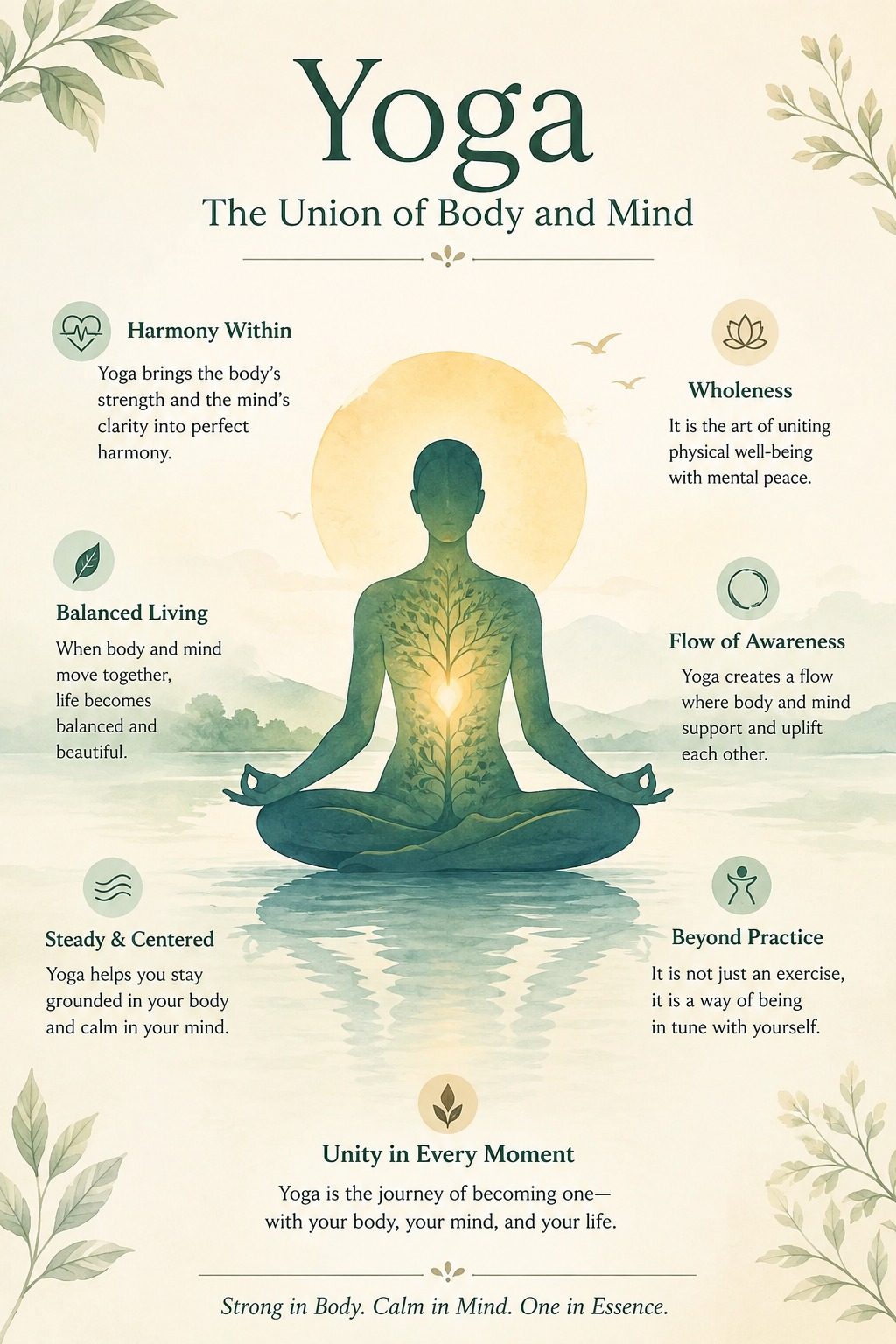
Yoga in its original sense
The Sanskrit word Yoga comes from the root yuj, meaning “to unite.” But Achala Siddhantha holds to the older, more exacting definition given by Rishi Patanjali: Chitta Vritti Nirodhah — Yoga is the cessation of the movements of the chitta, the mind.
This siddhantha takes that definition at face value, and follows it through to its end. When the chitta’s movements come to rest, the ego — which is nothing apart from those movements — dissolves along with them. And once the ego is gone, there is no observer left, as such, to stand apart from anything and call it experience. What remains is Avyaktha: the unmanifest, formless state where no “I” stands to one side, observing.
This is the stand of Achala Siddhantha on what Yoga actually is. It goes further than the modern idea of yoga as fitness, health, and stress relief, though it does not exclude these along the way; it simply does not stop at them.
Built for daily life
Soumya Raja Yoga Kriyas
The Sadhanas taught at Achala Ashram are called Soumya Raja Yoga Kriyas — gentle enough to be practised by someone still carrying the ordinary weight of work and family, rather than requiring withdrawal from the world.
Achala Yoga brings together all four classical paths — Bhakti, Karma, Raja, and Jnana Yoga — as one integrated spiritual sequence, where each form becomes the step that carries the seeker to the next.
Working with the ego
What the practice actually changes
Achala Yoga offers meditation and understanding aimed squarely at how the ego shapes experience — so a person can gain real say over their own inner life.
Self-awareness
Meditation sharpens the ability to notice ego-driven thought and behaviour as it happens, rather than after the fact.
Non-attachment
Detachment here does not mean suppressing the ego, but understanding clearly that it was never one's true nature to begin with.
Humility
Humility counters the ego's hunger for recognition and comparison, freeing a person from constantly needing to be validated.
What follows
Presence, compassion, and interconnection
Meditation, as Achala Yoga teaches it, draws attention out of the mind's constant chatter and into the present moment. From there, compassion and empathy tend to grow naturally — the ego's habit of dividing “self” from “other” loosens as the shared nature of human experience becomes harder to ignore.
Taken together, these practices give a seeker real tools to observe, understand, and gradually move beyond the pull of Yeruka — arriving at greater inner harmony, a more authentic way of being, and a lived sense of connection with everyone else on the same path.
See the Meditation Courses